
Updated October 25, 2026 · By Trey Campo, AMSOIL Independent Dealer
The best oil for your lawn mower is the correct viscosity and specification for its engine, backed by a maintenance schedule that fits the work you do. AMSOIL Small-Engine Oil is an option for compatible four-stroke engines. Start with your engine manual—not simply the mower brand or the bottle you already have.
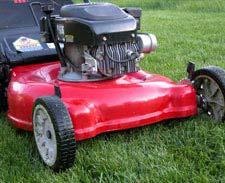
Protect the equipment your day depends on
A mower that will not run can interrupt a weekend or a paid job. Choosing oil is one part of keeping it ready; checking the level, servicing filters and recording operating hours matter too.
I used AMSOIL in my personal vehicles and equipment, and in the commercial lawn-care equipment for my grounds-maintenance company, for more than 10 years before becoming a dealer. That experience is why I focus on matching the product to the equipment and the work—not promising that one oil fits everything.
10W-30 or 10W-40: which should you choose?
When your engine calls for 10W-30
Check AMSOIL 10W-30 Small-Engine Oil against the engine manufacturer’s viscosity chart and specifications. AMSOIL describes this formulation as designed to resist wear, heat and carbon deposits in small engines. The 10W-30 label does not make it an automatic replacement for every engine requiring 10W-40 or 15W-40.
When your engine calls for 10W-40
Review AMSOIL 10W-40 Small-Engine Oil for the application. Confirm the engine model and operating-temperature guidance before choosing this grade. A thicker oil is not automatically a better choice just because the mower works hard.
Both product pages provide current specifications and a data-sheet link. Use those details together with your manual before ordering. If your engine specifies another grade, find the correct match rather than forcing a choice between these two.
A five-minute check before you buy
- Identify the engine. Record its make, model and serial number; the engine maker may differ from the mower brand.
- Confirm the oil requirement. Note the viscosity, performance specification and temperature range.
- Check capacity. Verify whether the listed fill amount includes a filter change.
- Record the workload. Include commercial use, long operating days and dusty conditions when reviewing the maintenance schedule.
- Plan the next service. Keep the date, hour-meter reading, product and filter information together.
How often should you change lawn-mower oil?
Start with the engine manufacturer’s service schedule. Check the current AMSOIL data sheet before considering any extended interval; a maximum advertised service life is not a universal instruction for every mower. Break-in requirements, engine condition and operating conditions still matter. Keep the oil at the specified level and address abnormal consumption or contamination promptly.
Common lawn-mower oil questions
Can I use synthetic oil in my mower?
Check the engine manual and the oil’s application information. Synthetic oil still needs to meet the required viscosity and specifications; it does not eliminate routine maintenance.
Can I use this oil in my trimmer or chainsaw?
Do not assume so. Many handheld tools use two-stroke engines with separate oil or fuel-mixing requirements. Confirm the engine type before selecting a product.
Does the mower transmission use the same oil?
Check its separate specification. Engine oil and hydrostatic-transmission fluid are separate buying decisions, even when a machine has both systems.
Get the right oil before your next service
Have your engine model and manual ready, then review AMSOIL 10W-30 Small-Engine Oil or AMSOIL 10W-40 Small-Engine Oil. Ordering through these links connects your purchase with my AMSOIL dealership.
Maintaining equipment for your business? Explore a commercial account. Buying for personal use? Review Preferred Customer benefits.
Technical sources: the current AMSOIL product pages linked above. Product suitability depends on the specific engine and its requirements.